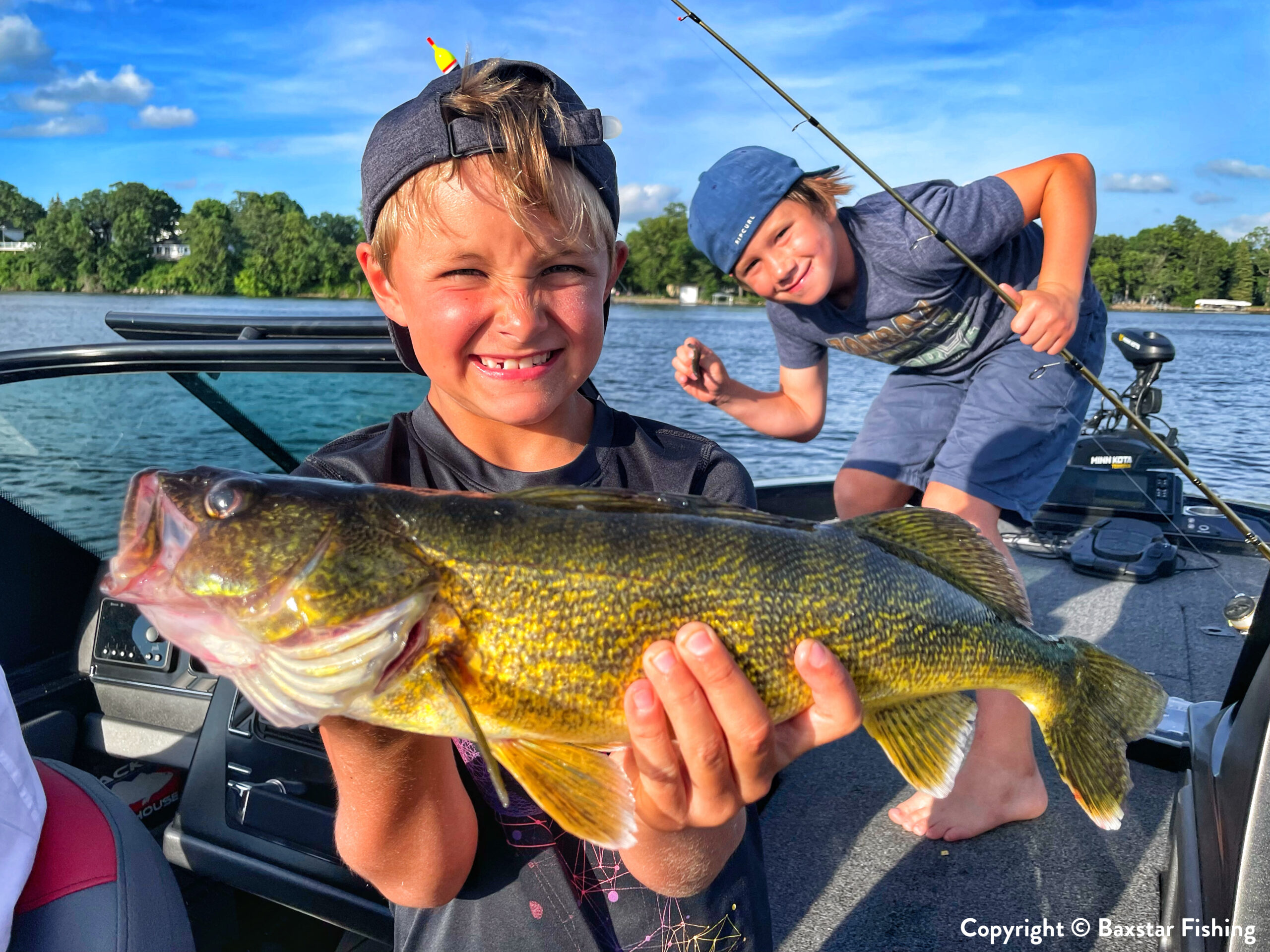
When you’re itching to cast a line, finding good places to fish can feel a bit fishy – pun intended. A good fishing spot can mean the difference between a relaxing day outdoors and staring at empty water wondering what went wrong. Let’s get into how to find good fishing spots that’ll have you reeling them in.
Scout Local Waters
Start by checking out the waters close to home. Ponds, streams, lakes, and rivers are teeming with potential. Drive around your area, look at maps, or ask locals. Don’t be shy to pop into a bait shop or two; anglers love to talk, and they might even spill the beans on some sweet spots. Keep your eyes peeled for public access points. Sometimes, that “no swimming” sign doesn’t apply to fishing.
Take a stroll along the banks of nearby ponds and streams. Look for signs of fish activity – ripples, jumping fish, or even birds hunting the surface. These are giveaways that something’s lurking beneath.
Use Technology to Your Advantage
Don’t be afraid to bring a little tech into the mix. Apps, GPS devices, and fish finders can save you a ton of trial and error. There are apps that let you explore fishing spots, track your catches, and even see where others are reeling in the big ones.
Fish finders, like sonar devices, help locate underwater structures where fish like to hang out. Think of it as having X-ray vision for water. It’s not cheating; it’s leveling the playing field.
Think Like a Fish
Put yourself in the mind of a fish. If you were swimming around, where would you go? Look for structures like fallen trees, rocks, or vegetation. Fish love these areas because they provide cover and food.
Pay attention to water temperature and depth. Warmer waters near the surface might attract certain species, while cooler, deeper spots pull in others. Knowing what your target fish prefers makes all the difference.
Follow the Food Chain
A good fishing spot is all about the buffet. Where the baitfish are, the big ones will follow. Keep an eye out for schools of smaller fish near the surface. Also, look for birds diving into the water. They’re not fishing for fun; they’re chasing dinner, which means the fish are there too.
Don’t Underestimate Docks and Piers
Docks and piers are underrated hot spots. These structures create shade and attract fish seeking shelter or food. Toss your line near the pilings or edges. You might be surprised what’s lurking beneath.
If there’s an old dock, even better. Fish are drawn to areas that don’t see a lot of human activity. Less competition from other anglers means more fish for you.
Explore Lesser-Known Spots
Popular spots can get crowded fast. If you’re elbow-to-elbow with other anglers, you’re competing for the same fish. Explore smaller, lesser-known bodies of water. Sometimes, the hidden gems hold the biggest rewards.
A little hike to a secluded creek or pond can be worth the effort. Bonus: fewer people means a quieter, more peaceful experience. Just make sure the area’s legal to fish and isn’t private property.
Observe and Adapt
Fishing is about patience and observation. Spend some time watching the water. Where are the fish biting? What are they feeding on? Sometimes, a good spot might take an hour or two to reveal itself.
If you’re not getting bites, don’t just sit there hoping for a miracle. Move around, change your bait, or adjust your technique. Fish don’t wait for you; you’ve got to find them.
Wrapping It Up: Trust Your Instincts
Finding a good fishing spot is part science, part art, and a whole lot of instinct. Trust your gut, explore new places, and be willing to experiment. Even if you don’t hook the big one, a day spent fishing is never wasted. So grab your tackle, find some water, and see what’s biting. Good luck out there, angler!